Selling through messages works, right up until it does not. The break is rarely dramatic: an order sits unanswered under a newer conversation, or two people are promised the last one of something. Neither is a failure of effort. They are what happens when a side business starts working and the record of it still lives in an inbox.
The problem is the records, not the selling
Look at where the information actually sits. Orders are spread across two or three inboxes, each with its own notifications and its own idea of what is unread. Stock lives in your head, updated by memory between conversations. The only record of what you promised someone is a message you have to scroll back to find, and the only record of what you owe them is the same message. None of this is fixable by being more organised, because the problem is that there is no single place where an order exists.
Keep the DMs, move the bookkeeping
The useful move is narrower than it first looks. You do not have to stop selling in the DMs, and this article is not going to tell you that a storefront replaces them — for a lot of sellers the conversation is the sale, and removing it would cost more than it saves. What moves is the bookkeeping. Keep answering messages, and when one becomes an order, write it down somewhere that counts stock and tracks status. See how the Social Media Publisher handles your channels.
Every order remembers where it came from
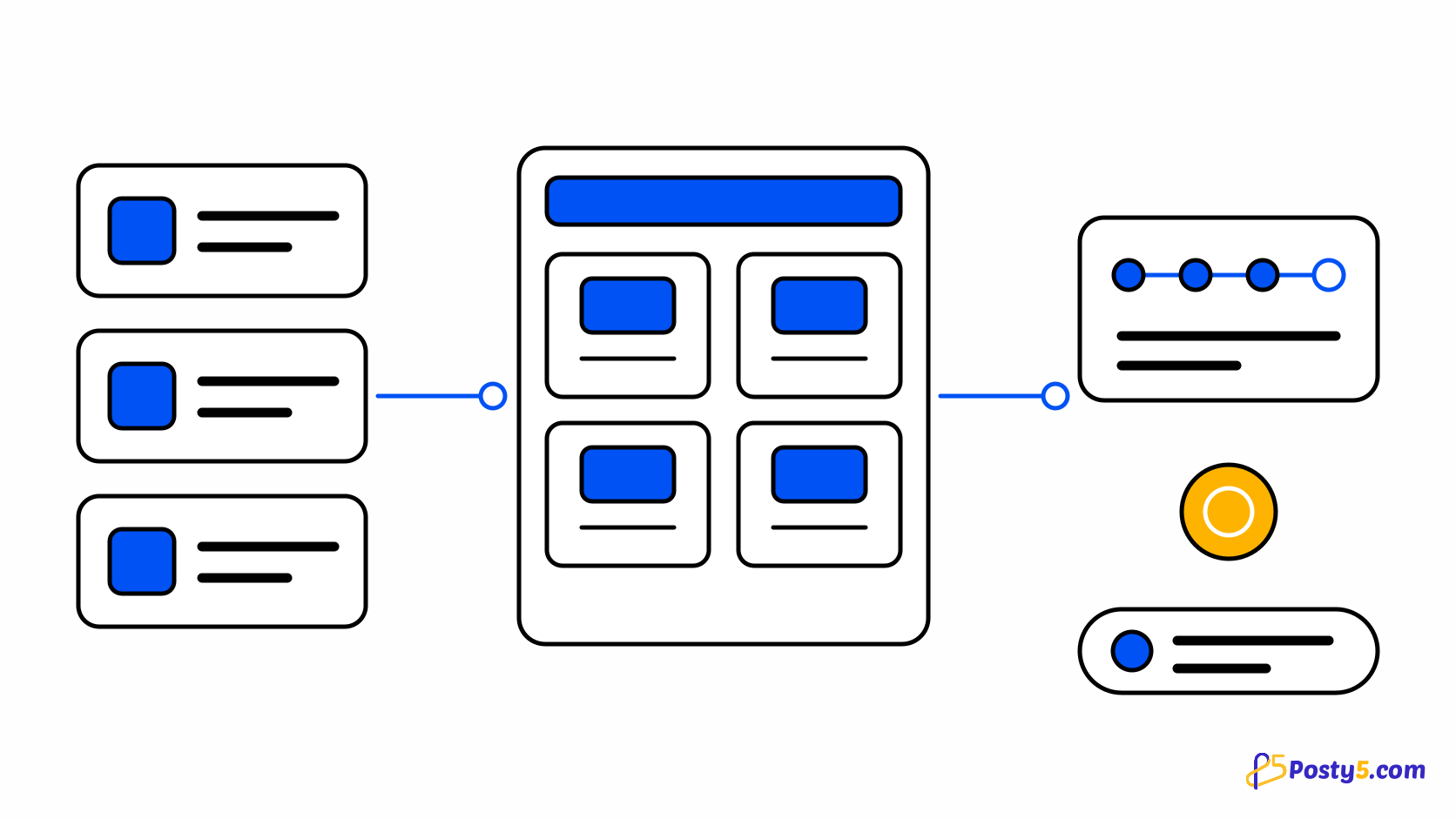
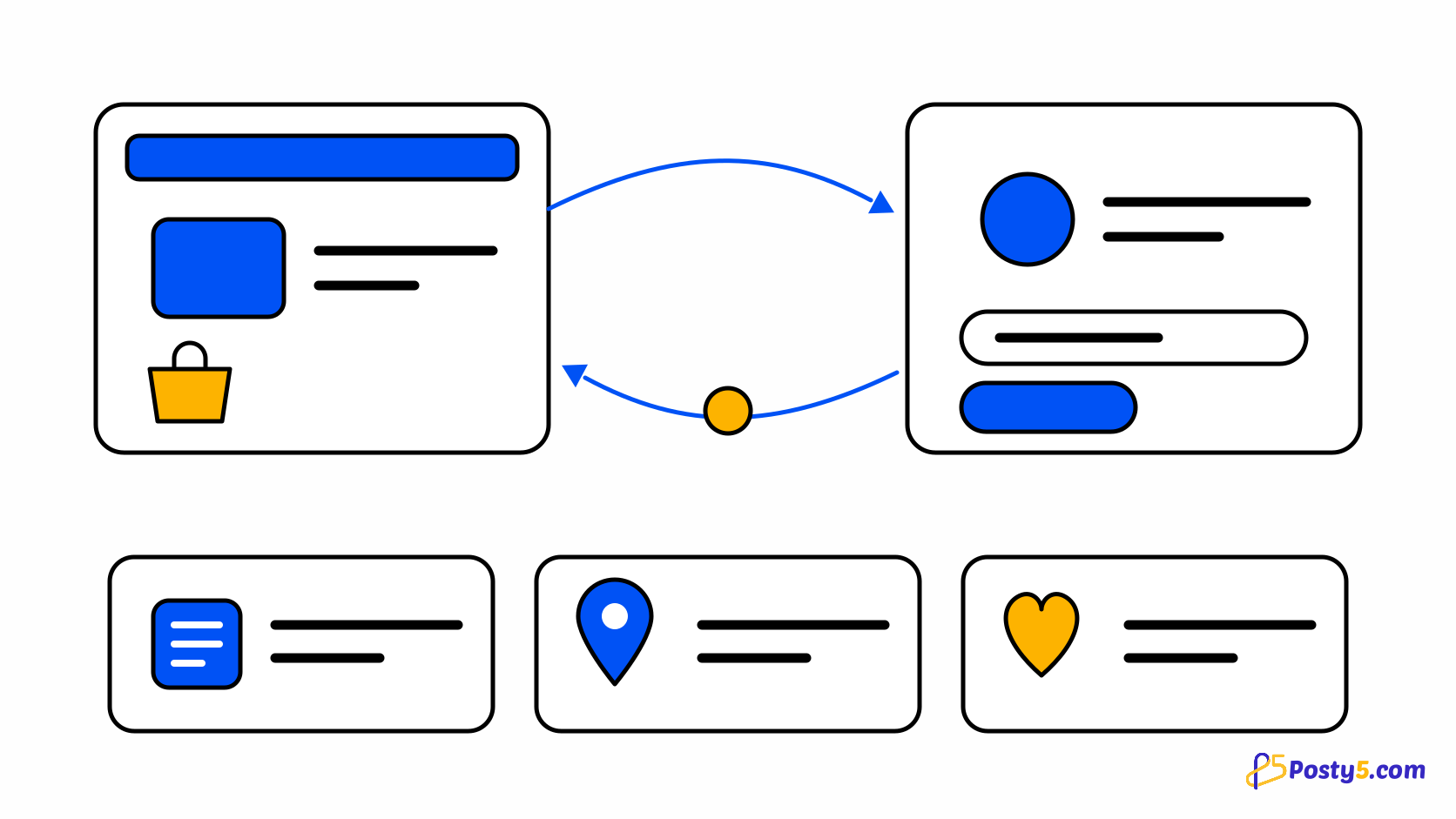
A manually entered order records which channel it came from — the storefront, Facebook, Instagram, WhatsApp, phone, or simply other for anything else. That single field is what makes this more than a notebook. You can filter your order list by channel afterwards and see where the orders actually come from, rather than where you assume they do. Be clear about what this is: you are labelling the order yourself when you enter it. Posty5 does not read your messages, connect to an inbox, or import anything from a social account.
One stock count across every channel
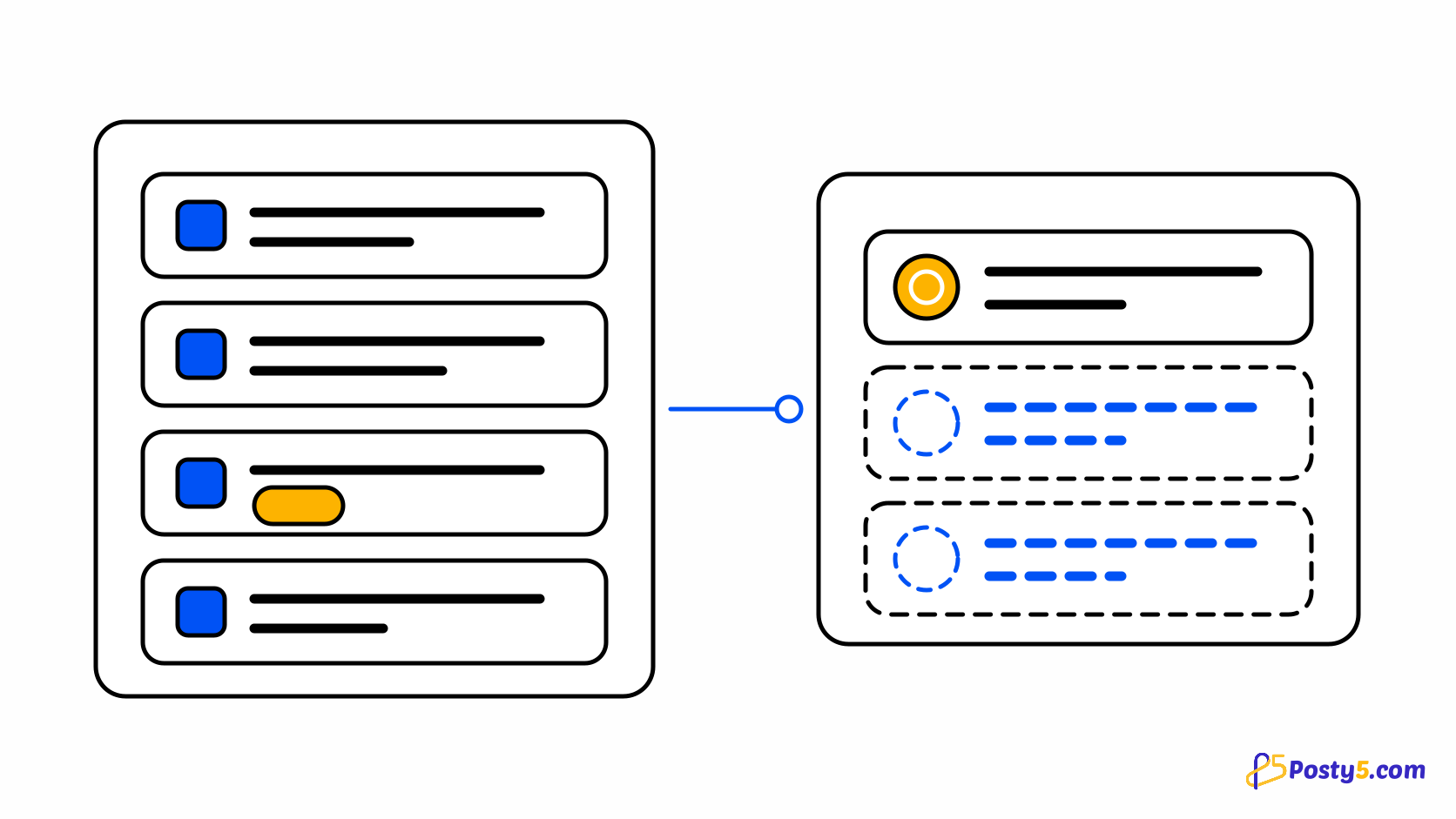
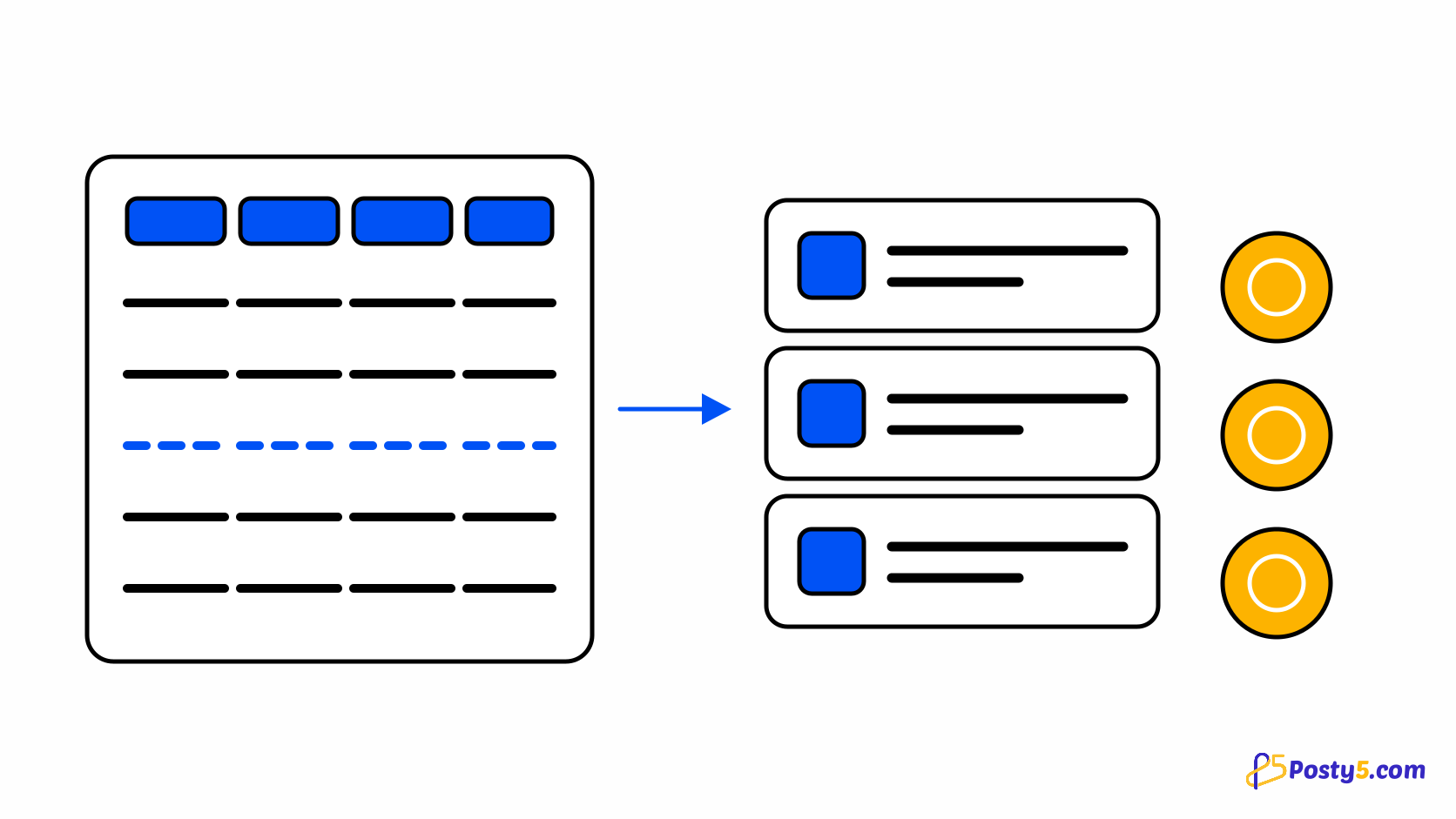
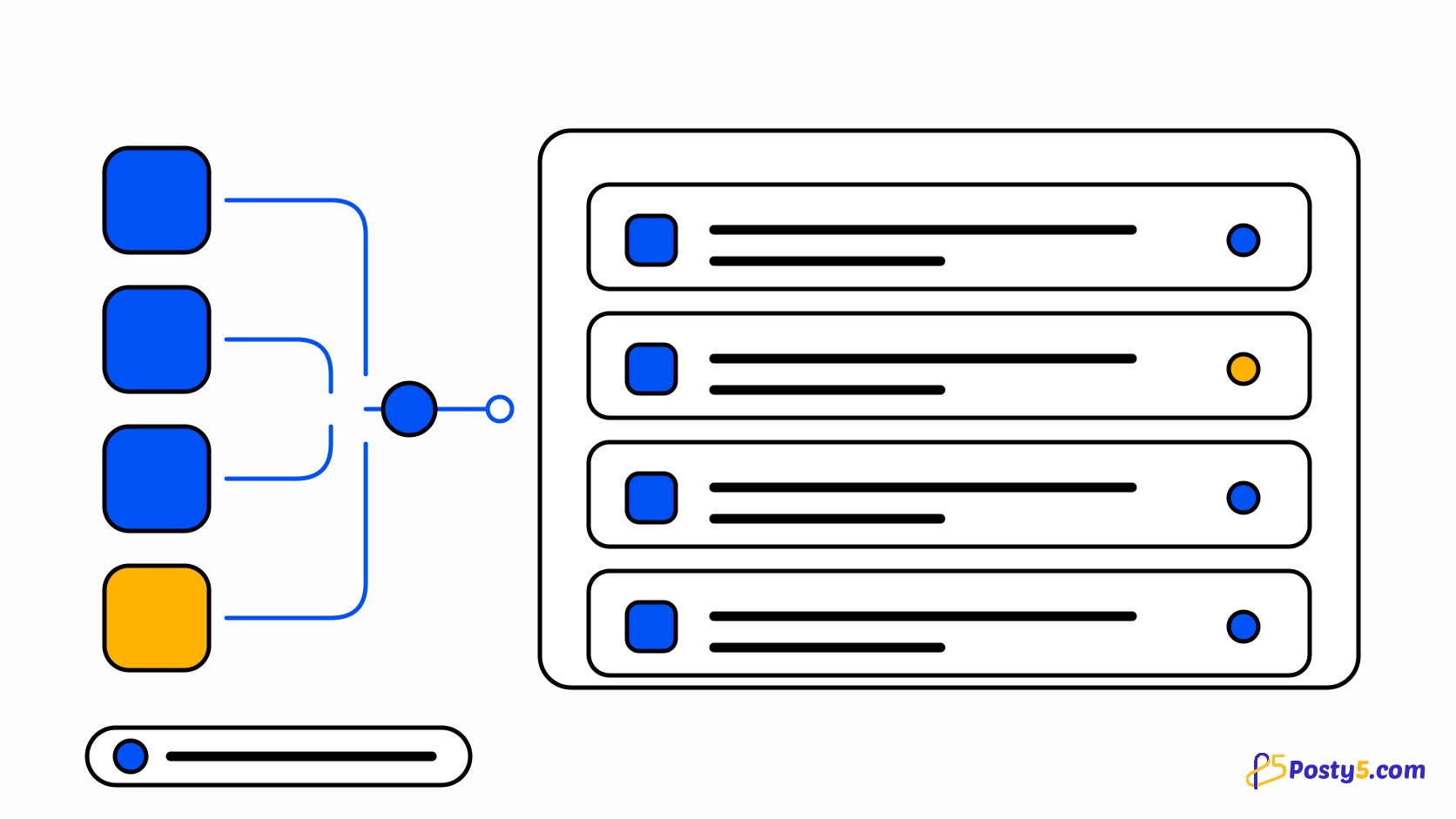
Once every order lives in one list, stock moves once no matter which channel produced it. An order taken from a DM decrements the same count as one placed through the storefront, so the two cannot quietly oversell each other. Cancelling or refusing an order returns tracked items to stock automatically, which is the specific fix for the most expensive version of this problem: selling something twice because the first sale fell through and nobody updated the tally. See how the order pipeline works.
A tracking link instead of another message
Every order, including ones you entered by hand, gets a tracking link the customer can open without an account. That replaces a category of message you are probably tired of answering. It also gives the person receiving the parcel something to check themselves, which matters more than it sounds when the buyer and the recipient are different people — a gift, a family order, a delivery to a workplace.
What it costs to start
The honest arithmetic, before you start. Checkout is cash on delivery, which for most sellers working this way is exactly how the money already moves. And delivery fees can differ by city, or refuse a region outright, which tends to match the reality of shipping something yourself. Compare the plans. Read the Online Store Builder guide.
Open the Online Store Builder
Start with the products you repeat-sell rather than the whole catalogue. The credit cost is the thing to check first.
Frequently asked questions
Does Posty5 import my orders from Instagram or WhatsApp?
No. There is no messaging integration. You enter the order and choose its channel yourself, and that label is what makes filtering by channel possible later.
Do I have to stop selling in DMs?
No. The argument here is the opposite: keep the conversation, move the record-keeping to one place that counts stock and tracks status.
Can I see which channel sells best?
You can filter your orders by the channel you recorded. That is a filter on your own list, not an attribution or analytics report.
What if my main channel is not in the list?
Use other. The list covers the storefront, Facebook, Instagram, WhatsApp and phone, and other exists for everything else.
Does a manual order cost credits?
How do customers pay?
Cash on delivery, which is how most selling through messages already settles.