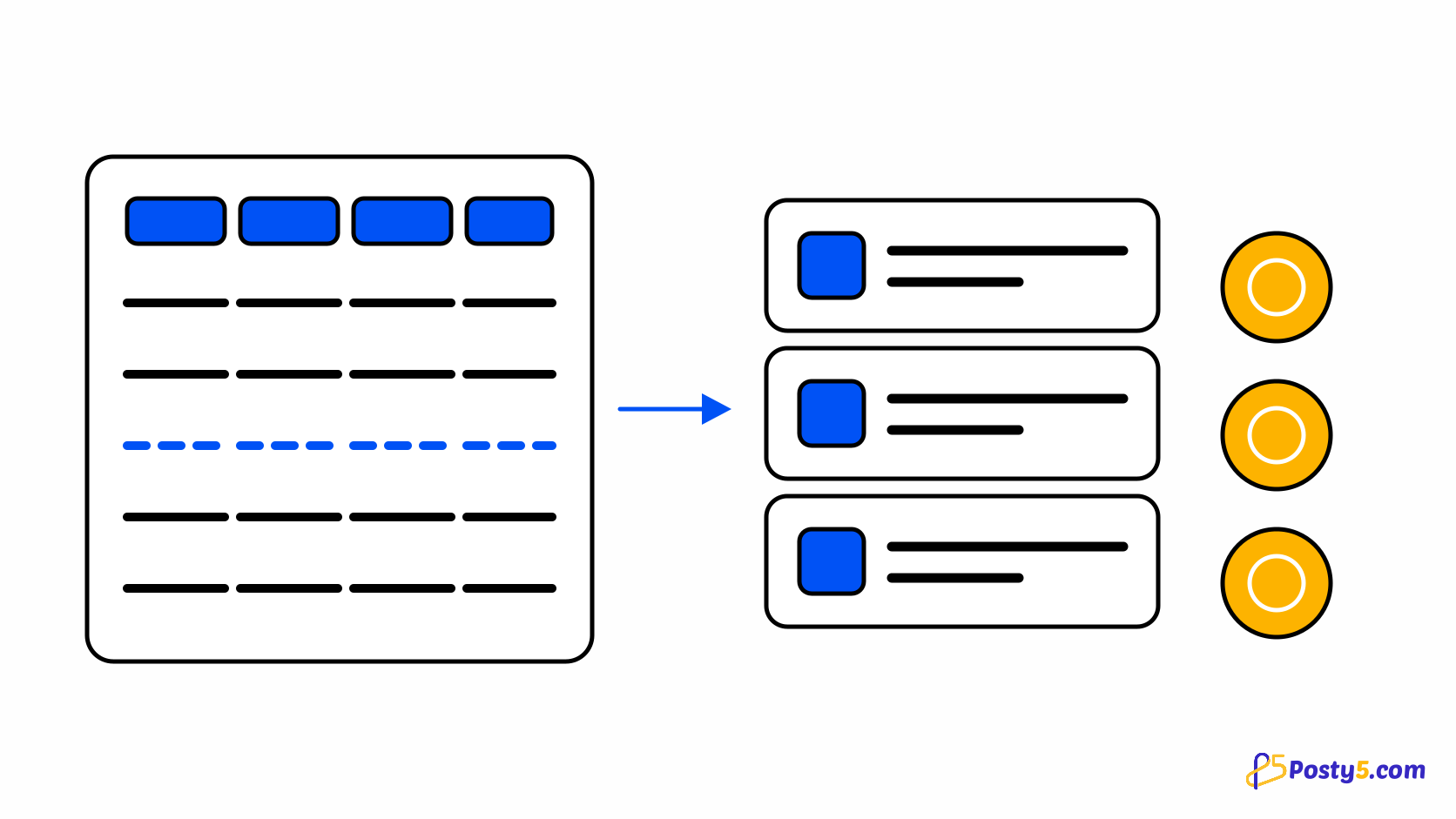
Most delivery-fee tools make you choose between one flat price and a spreadsheet of every city in the country. Posty5 avoids the choice with a single rule: a record exists only where you have said something. A store that opens one country and charges one price everywhere owns exactly one row. A store with three awkward cities owns four. Nothing is copied in on your behalf, and nothing has to be maintained that you did not create.
Countries are opened, not listed
You open the countries you deliver to one at a time, and each becomes a record holding the country's name, whether it is currently open, and a fee. The world's country list is reference data rather than rows in your store, so opening Egypt does not create two hundred dormant entries alongside it. Only countries you have opened and left enabled reach your storefront.
One price for the country, then exceptions
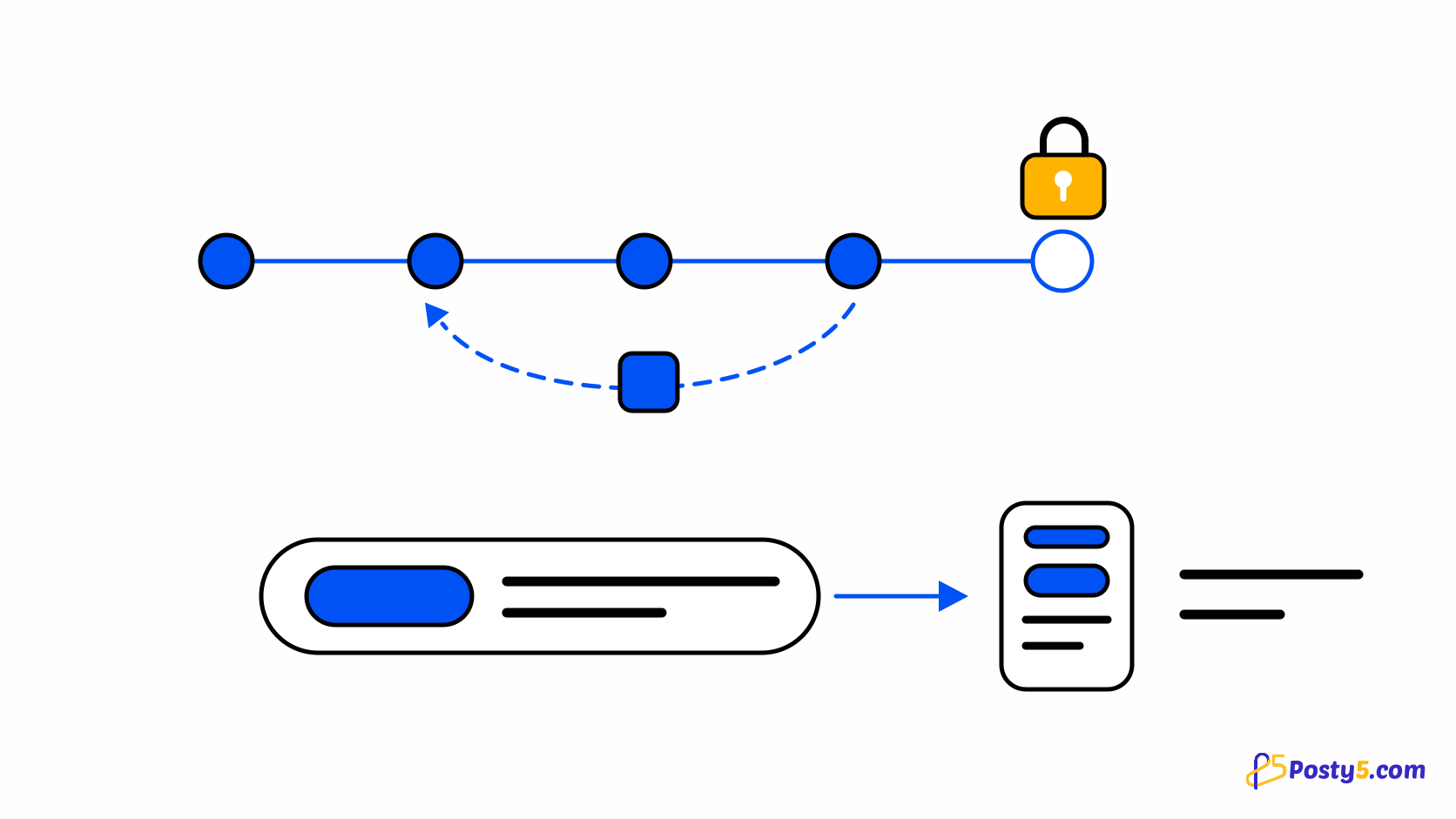
Below the country sit exceptions, at governorate or city level, and they exist for exactly two reasons: this place costs something different, or we do not go there. A city exception is identified by the pair of governorate and city rather than the city name alone, because the same city name occurs in more than one governorate in plenty of countries. At checkout the fee falls through — city, then governorate, then country, then your store-wide default — and stops at the first level that has an answer.
Blank and zero are not the same answer
This is the distinction worth reading twice. A blank fee means "no price of my own, use the level above". A fee of zero means free delivery here, and it stops the search — it is an answer, not an absence. Setting a country to zero is how you say "delivery to this whole country is on us"; leaving it blank is how you say "use whatever my store default is". Getting these two the wrong way round is the one mistake that produces a fee nobody can explain.
Refusing somewhere you will not deliver
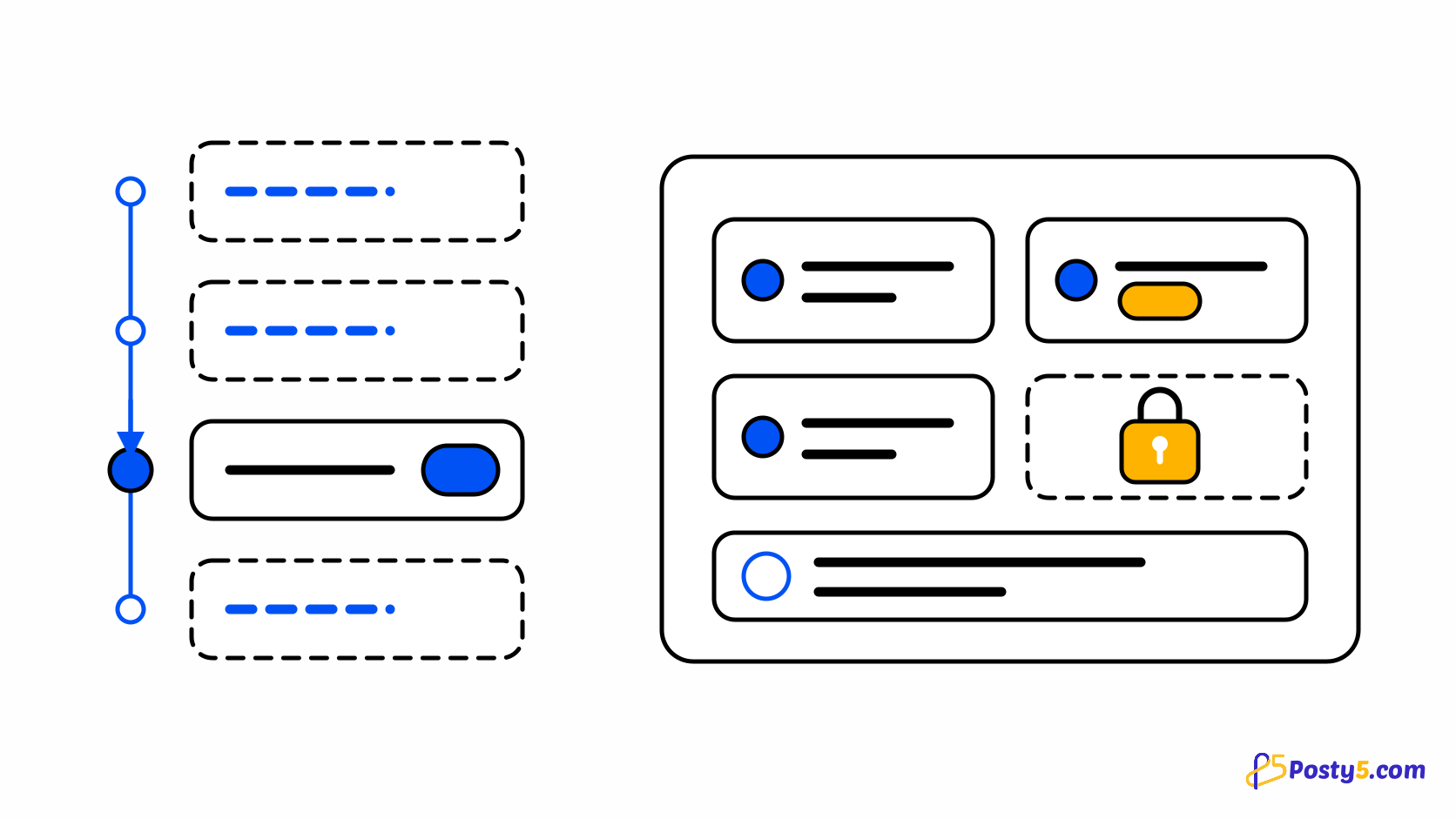
Refusing an area is its own action, separate from pricing it. Marking a governorate or city as not delivered to means the storefront will not accept that destination, and such a row is meaningful even with no fee attached — it says only "not here". That lets you serve a country broadly while keeping out the places that are genuinely impractical, without inventing a punitive price to discourage them.
Closing a country without losing the work
Countries can be closed without being deleted. Disabling one takes it off the storefront and keeps its fee and every city exception you configured, so a seasonal pause or a supply problem does not cost you the afternoon you spent setting it up. Re-enable it and everything is where you left it. Country names are also snapshotted when you open them, so a change in the underlying reference data cannot blank your list.
Where Posty5 stops
Worth being plain about: this prices delivery, it does not arrange it. There is no courier account behind it, no printed labels, no tracking numbers pulled from a carrier, and no automatic dispatch when you mark an order shipped. The fee a shopper pays is the fee you decided, not a quote from a delivery company. Carrier integration is planned work rather than a hidden feature. Read the Online Store Builder guide.
Open the Online Store Builder
Delivery rules live with the rest of the store's settings, and they take a few minutes for a single country.
Frequently asked questions
Do I have to enter every city in a country?
No. That is the point of the design. Open the country, give it one fee, and add rows only for the cities that differ from it.
How do I offer free delivery to one country?
Set that country's fee to zero. Zero is a real fee and stops the lookup; leaving the field blank means "use my store default" instead.
Can I sell to a country but skip one region?
Yes. Mark that governorate or city as not delivered to. It is a refusal rather than a price, and it needs no fee.
What happens if I close a country?
It leaves the storefront and keeps its configuration. Re-enabling it restores the fees and exceptions exactly as they were.
Does Posty5 print shipping labels or give tracking numbers?
No. Delivery fees are prices you set. There is no carrier integration, so labels, courier tracking and automatic dispatch are not part of this.
Which fee wins when several could apply?
The most specific one that has an answer: city, then governorate, then country, then your store-wide default.